

Why Brand Consistency Matters More Than Ever

Jump to section
In today’s fast-paced digital landscape, users expect nothing less than seamless and intuitive experiences from the apps, websites, and platforms they interact with daily. As a UI/UX designer, the key to delivering these experiences lies in understanding the delicate balance between functionality and the human touch. When we design interfaces that resonate with users on a human level, we make their journey effortless, enjoyable, and engaging. But how do we achieve that?
This blog will explore the strategies that can help you design interfaces that not only meet user needs but also feel natural, intuitive, and human-centered.
Start with Empathy: Understanding User Needs
Designing intuitive interfaces begins with understanding the people who will use them. By focusing on user personas, you can better define their goals, frustrations, and behaviors. Empathy mapping and user research are crucial in this stage to ensure that your design decisions align with the actual needs and expectations of your audience.
Practical Tip: Conduct user interviews and usability testing to gather insights into real-world challenges users face. These findings will guide your design choices, ensuring that the interface solves the right problems in a way that feels natural to users.
Prioritize Usability: Keep it Simple and Clear
Simplicity is the backbone of intuitive design. Users should not have to think too much or guess what a button does or where to find important information. A clean, well-organized interface ensures that users can navigate with ease, reducing cognitive load.
Practical Tip: Conduct user interviews and usability testing to gather insights into real-world challenges users face. These findings will guide your design choices, ensuring that the interface solves the right problems in a way that feels natural to users.
Consistency is Key: Build Familiar Patterns
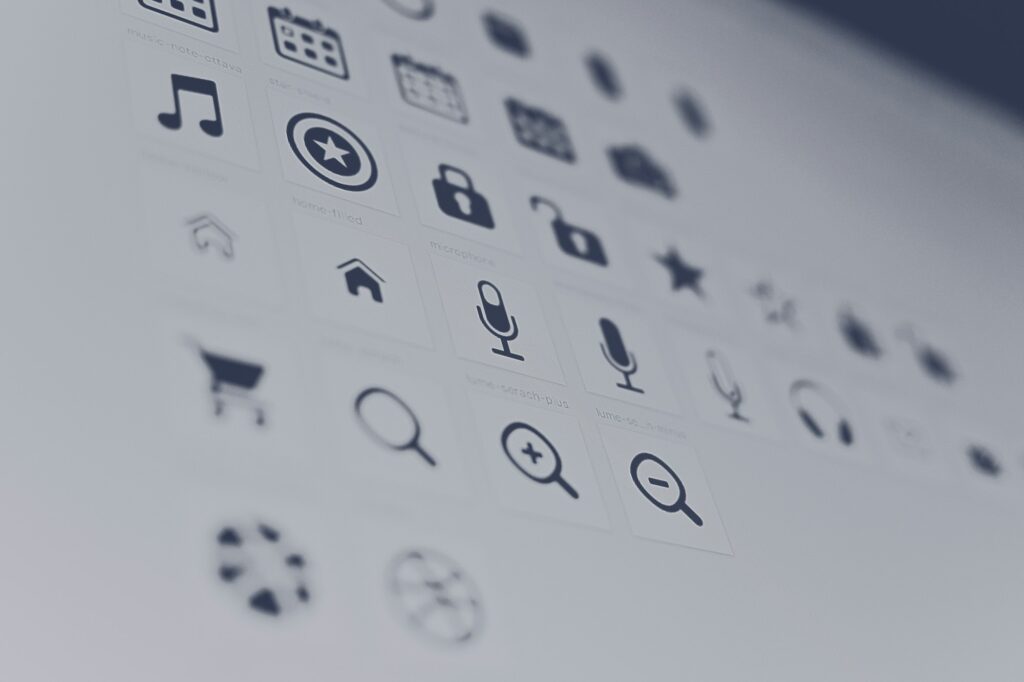
Consistency across your interface enhances usability. When users encounter familiar design patterns, they intuitively know how to interact with them. This extends to typography, color schemes, button styles, and interaction behaviors, making the user’s journey seamless across different sections of the site or app.
Practical Tip: Conduct user interviews and usability testing to gather insights into real-world challenges users face. These findings will guide your design choices, ensuring that the interface solves the right problems in a way that feels natural to users.
Microinteractions: Adding Delight to the Experience
Microinteractions are subtle design elements, such as button animations or haptic feedback, that offer real-time responses to user actions. While small, these interactions can significantly enhance the user experience by providing instant feedback, making the interface feel more responsive and human.
Practical Tip: Conduct user interviews and usability testing to gather insights into real-world challenges users face. These findings will guide your design choices, ensuring that the interface solves the right problems in a way that feels natural to users.


Final Thoughts
Designing intuitive interfaces with a human touch requires a thoughtful balance between usability, consistency, and empathy. By prioritizing user needs, simplifying navigation, and incorporating subtle, engaging interactions, you can create digital experiences that not only look good but also feel natural and enjoyable to use.
As you continue to refine your design approach, remember that the goal is to make the user’s journey as seamless as possible, while adding those human touches that make the experience memorable. After all, the best interfaces are the ones users barely notice—they just work.
